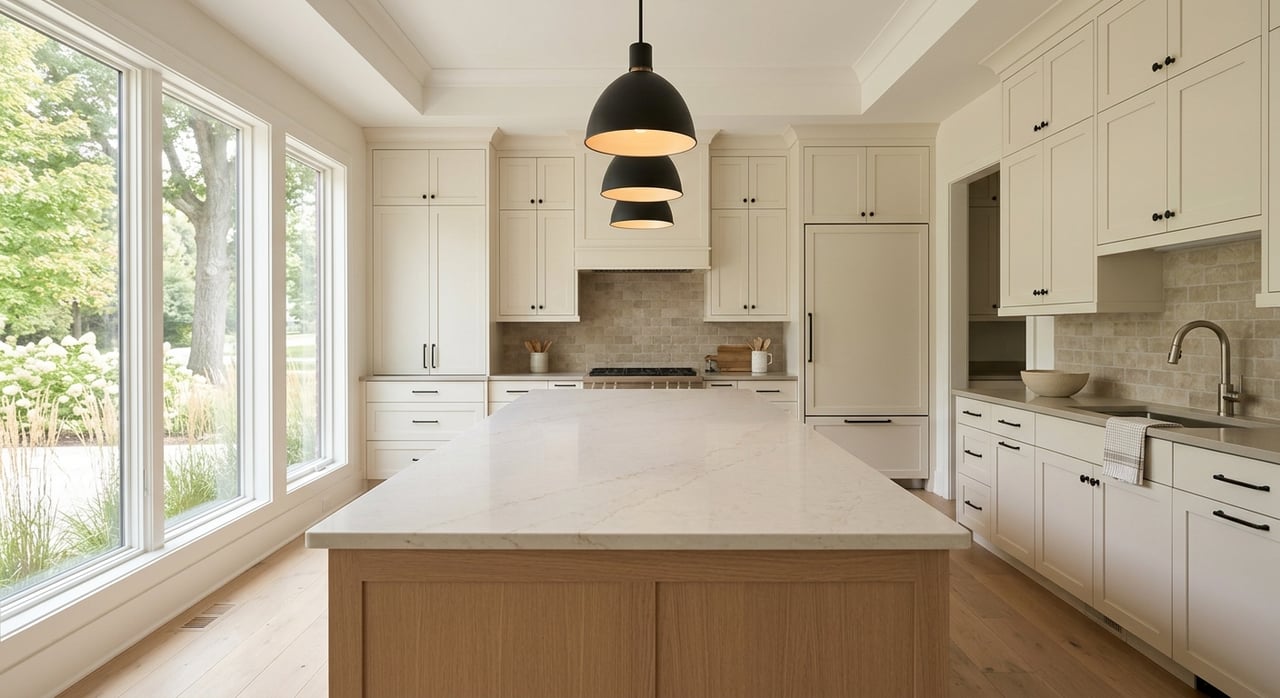
Thinking about building a home in Ankeny? You are not alone. New construction continues to play a major role in the local housing market, but the process can feel more complex than buying a resale home. If you want to choose the right lot, understand the true cost, and avoid surprises during the build, this guide will help you move forward with more confidence. Let’s dive in.
Why new construction matters in Ankeny
Ankeny is still growing at a meaningful pace, especially in the northwest quadrant. Through March 31, 2026, the city reported 104 single-family detached permits and 144 total new residential permits issued year-to-date. That kind of activity gives buyers more options, but it also means you need to understand how local development works.
One important detail is easy to miss. An Ankeny mailing address does not always mean the home is inside Ankeny city limits. If you are looking at a new lot or early-stage development, verifying the exact location early can help you avoid confusion about services, approvals, and future plans.
Start with the lot, not just the floor plan
It is easy to fall in love with a layout, kitchen design, or exterior style. In new construction, though, the lot itself can shape your experience just as much as the home. That is especially true in a growing city like Ankeny, where planning and zoning rules guide what can be built.
The city uses a long-range comprehensive plan along with zoning rules that control lot sizes, setbacks, density, and building height. In simple terms, the lot you choose affects more than where your home sits. It can also affect what surrounds you over time and what may be developed nearby.
Check the lot’s exact location
Before you commit, confirm whether the parcel is actually within city limits or simply has an Ankeny mailing address. The city’s map tools can help identify development areas, construction projects, parks, greenways, and service context.
That step matters because location can affect more than your mailing address. It may also influence how the property is reviewed, developed, or served in the future.
Understand where the development stands
If you are buying in a newer area, ask whether the subdivision is in preliminary platting or final platting. Preliminary platting lays out blocks, lots, streets, parks, utilities, and other public improvements. Final platting and construction plan approval happen before the land is fully developed.
For you as a buyer, this means an early-phase lot may carry more uncertainty than one in a more finished section. Roads, utilities, surrounding homes, and nearby improvements may still be evolving.
Ask about edge-of-city lots
If a parcel sits near the edge of Ankeny, it may involve annexation or rezoning if it is not yet fully aligned with city use requirements. Those are formal processes reviewed by the Plan and Zoning Commission and City Council.
That does not automatically make an edge lot a bad choice. It simply means you should understand whether the land is fully entitled for the home and use being marketed.
Know how the city process affects your timeline
One of the biggest surprises for buyers is that a builder timeline is not the only timeline that matters. City review, permits, inspections, and occupancy all affect when you can actually move in.
Ankeny states that no construction can begin until the permit is issued. The city also notes that residential plan review takes about five working days after the application and plans are submitted. That may sound quick, but it is still one part of a larger chain.
Expect a sequence, not a single date
In most cases, the path runs from plan submittal to permit issuance, then inspections, then final occupancy approval. Final inspections are completed before an occupancy permit is issued.
This is why estimated completion dates can shift. Even when a builder is organized, the process still depends on approvals, inspection timing, weather, and scheduling.
Inspections can create delays
Common residential inspection checkpoints happen before concrete is poured, before insulation or drywall, and before backfill. If an inspection needs to be rescheduled or repeated, the build can slow down.
That does not always signal a problem. It is simply part of how homes are reviewed during construction, and it is one reason flexible expectations matter in a new build.
Read the builder contract carefully
A new construction contract often includes details that do not come up in a standard resale purchase. The earlier you understand those details, the easier it is to protect your budget and your peace of mind.
One smart place to start is with contingencies. When possible, financing and satisfactory inspection contingencies can give you important protection, especially if the home is not complete when you sign.
Clarify the deposit terms
Builders may ask for an upfront deposit or earnest money. Before you sign, ask exactly how much is due, when it is due, and under what conditions it can be returned.
This is one of the most important questions in any new construction deal. If plans change, delays happen, or financing shifts, you will want clear answers in writing.
Separate base price from upgrades
A builder’s advertised base price is not always the final number you will pay. Options, allowances, site costs, and contract-related items can all affect the total cost.
That is why you should ask for a detailed breakdown of what is included and what is extra. Items like landscaping, porches, decks, garages, or hardscaping may be handled differently depending on the financing structure and the contract.
Build a realistic budget from day one
With new construction, the contract price is only one part of the financial picture. To avoid stress later, you need to understand both upfront costs and long-term monthly costs.
Your full monthly payment may include principal, interest, property taxes, mortgage insurance, homeowner’s insurance, any needed supplemental insurance, and HOA fees. On top of that, closing costs often range from 2% to 5% of the purchase price.
Keep cash reserves in mind
Beyond the down payment and closing costs, it is wise to plan for moving expenses, furnishings, possible post-closing updates, and an emergency cushion. A new home may be move-in ready, but your financial plan should still leave room for the unexpected.
This is where a finance-informed approach can make a big difference. When you understand the full picture early, it becomes easier to compare builders, upgrades, and loan options with less guesswork.
Compare financing options carefully
Not all new construction financing works the same way. Before you choose a lender or sign a builder contract, make sure you understand which loan structure fits your situation.
Construction loans are typically short-term, often have higher interest rates than long-term mortgages, and release funds in stages as construction progresses. In some cases, payments can begin six to 24 months after the loan is made.
Ask if the loan converts automatically
A construction-to-permanent loan can replace the temporary construction financing with a long-term mortgage. If the loan does not automatically convert, you may need a new mortgage after construction is complete.
That can matter a lot for your budget. It may mean a second closing and another set of closing costs.
You can shop for your lender
You do not have to use a builder’s preferred lender. Shopping around may help you find a better rate, lower costs, or a structure that fits your plans more closely.
The same idea can apply to some closing services. Comparing options may help you reduce costs and make more confident decisions.
Verify the builder team’s credentials
Before construction begins, it is worth asking a few practical due diligence questions about the people doing the work. In Ankeny, contractors performing construction work must be registered with the Iowa Division of Labor.
Electrical, mechanical, and plumbing contractors must also hold the proper state licenses before they can secure permits or work in the city. For buyers, that is a useful checkpoint when evaluating a builder team and understanding how organized the project is.
Plan for taxes and costs after closing
Many buyers focus heavily on the contract phase and then get caught off guard by post-closing expenses. With new construction, those expenses can shift once the home is complete and fully assessed.
In Polk County, assessed value is based on the combined value of land, dwellings, and buildings. Property tax statements are due September 1 and March 1, and the tax picture can change once the finished home is assessed.
Check owner-occupant tax relief
Polk County says the homestead tax credit is intended to provide tax relief for people who own and occupy a home in Iowa. If you plan to live in the home, it is smart to confirm that any eligible owner-occupant tax relief is filed and applied correctly.
Look beyond the contract price
After closing, your actual carrying costs may include updated property taxes, insurance, HOA dues, utilities, and ongoing maintenance. A finished new home can change your monthly budget in ways that are easy to underestimate if you only focus on the builder’s headline price.
A simple checklist for Ankeny buyers
If you want to keep your new construction search focused, these are some of the most important questions to ask:
- Is the lot actually inside Ankeny city limits?
- What stage is the subdivision in: preliminary plat, final plat, or fully developed?
- What is included in the base price?
- Which features are upgrades, allowances, or separate site costs?
- How much deposit is required, and when is it refundable?
- What type of financing will be used?
- Does the construction loan convert automatically, or will a second closing be needed?
- Are the builder and trade contractors properly registered and licensed?
- What should you expect for inspections, occupancy, and timing?
- How might taxes and monthly carrying costs change after the home is complete?
Why guidance matters in new construction
New construction in Ankeny can be exciting because you get the chance to shape the home around your goals. It can also feel complicated because lot selection, permits, financing, inspections, upgrades, and taxes all move on different timelines.
That is where steady guidance matters. With a background in mortgage lending, residential real estate, and custom new construction, Scot Bergman helps buyers ask the right questions early, understand the numbers clearly, and stay aligned from lot selection through closing. If you are planning a new build in Ankeny, connect with Scot Bergman for clear, local guidance.
FAQs
What should you verify first when buying new construction in Ankeny?
- Start by verifying the lot’s exact location, including whether it is actually inside Ankeny city limits or simply has an Ankeny mailing address.
What does base price mean in an Ankeny new construction home?
- The base price is the builder’s starting price, but it may not include all upgrades, allowances, site costs, or added features, so you should ask for a detailed breakdown.
What permits and inspections affect a new build timeline in Ankeny?
- Construction cannot begin until the city issues the permit, and the process usually includes plan review, permit issuance, multiple inspections, final inspections, and occupancy approval.
What financing questions should you ask for an Ankeny new build?
- Ask whether the loan is a construction loan or a construction-to-permanent loan, whether it converts automatically, and whether a second closing could be required.
How can property taxes change after closing on a new home in Polk County?
- Once the home is completed and assessed, the property’s taxable value may change because assessed value includes the land, dwelling, and other buildings.
Why does local guidance matter when buying new construction in Ankeny?
- Local guidance can help you line up the lot details, builder contract terms, financing structure, city process, and post-closing costs so fewer surprises show up along the way.