If you are searching for low-maintenance living in Ankeny, one detail can change everything: a property that looks like a townhome may legally be a condo, and that affects dues, maintenance, insurance, and the rules you live by. That can feel confusing when listings use the terms loosely or highlight lifestyle features more than ownership structure. The good news is that once you know what to check, you can compare options with a lot more confidence. Let’s break it down.
Why the label can be misleading
In Ankeny, “townhome” and “condo” are not always interchangeable. A townhome may be set up as a condo under Iowa’s Horizontal Property Act, or it may be part of a planned community or HOA under a different legal structure.
That means the marketing label is only part of the story. If you want to know what you actually own, what the association maintains, and what dues cover, the declaration and deed matter more than the listing headline.
How Iowa defines condos and common communities
In Iowa, condos are governed by Chapter 499B. That framework covers unit ownership and common elements such as land, exterior walls, roofs, halls, stairways, and some shared utility systems.
Iowa also recognizes common interest communities and HOAs under Chapter 499C. In practical terms, that means ownership can come with a required share of taxes, insurance, maintenance, or other expenses tied to common elements or related property.
For you as a buyer, the takeaway is simple: dues are not just an optional extra. They are often part of how the property is legally structured and maintained.
What attached housing looks like in Ankeny
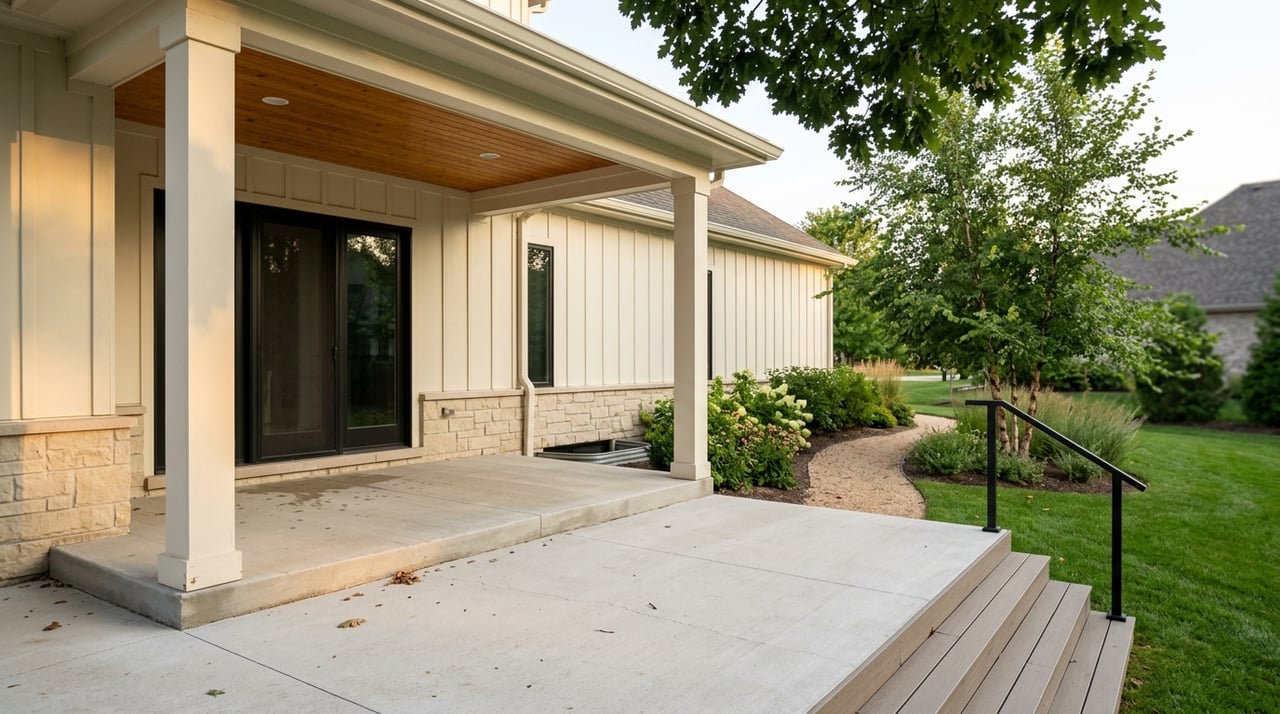
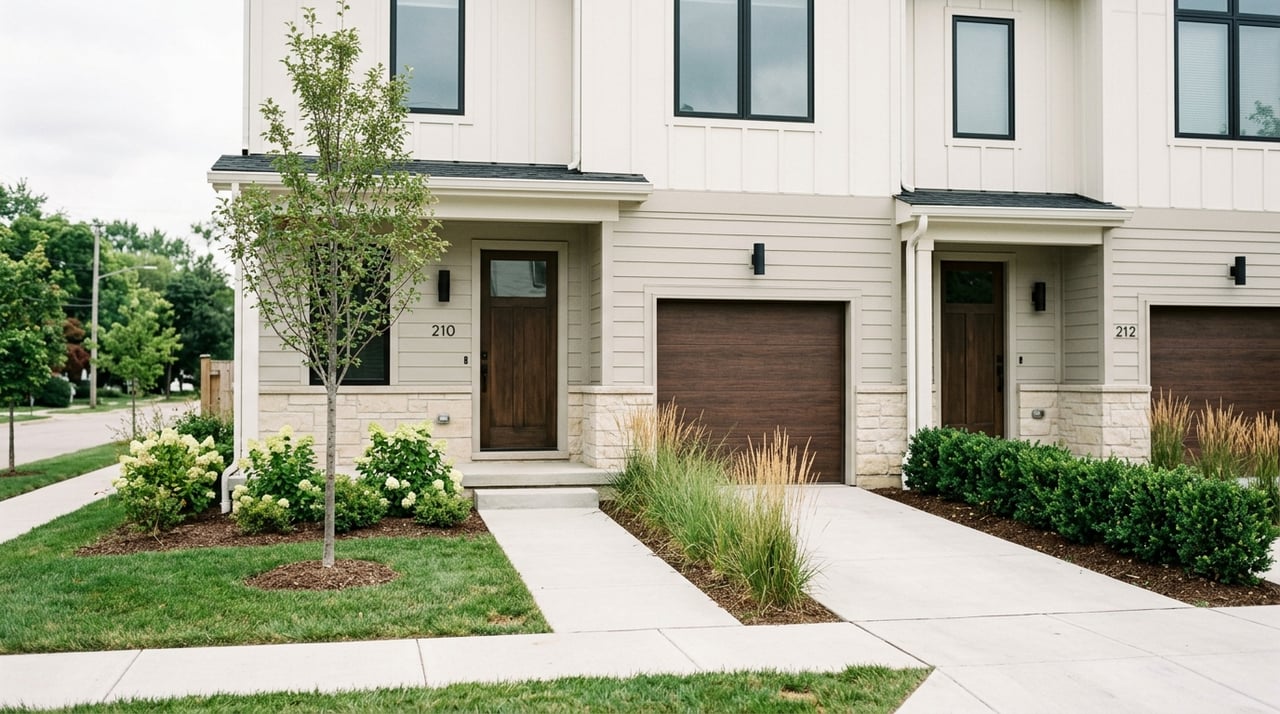
Current Ankeny listings suggest the attached-home market is made up mostly of low-rise homes rather than high-rise condo buildings. You are more likely to see townhome-style condos, side-by-side units, ranch layouts, and two-story attached homes with garages than a traditional urban condo tower.
Recent market snapshots show about 125 condos for sale in Ankeny with a median listing price of $243,000 and 9 townhouses for sale with a median listing price of $250,000. Redfin also describes Ankeny as minimally walkable, with a Walk Score of 34.
Listings commonly appear in areas such as Northeast Ankeny, Southwest Ankeny, Southeast Ankeny, Deer Creek, Northwest Ankeny, Westwood, and Otter Creek Golf Course. These are simply places where attached homes appear in current search results, not a ranking or recommendation.
Common layouts you may see
If you are trying to picture what your options look like, current Ankeny listings show a fairly consistent range of floor plans and sizes.
Typical examples include:
- 2 bedrooms, 1.5 to 2.5 bathrooms with about 992 to 1,342 square feet
- 2 bedrooms, 2 bathrooms with about 1,357 to 1,432 square feet, often with attached garages
- 3 bedrooms, 2.5 bathrooms with about 1,511 to 1,538 square feet
- Ranch-style or one-level layouts with sunrooms, flex spaces, or partially finished lower levels
You may also see features like open-concept main floors, upstairs laundry, decks, and attached two-car garages. New-construction townhome options are part of the mix too.
What HOA or condo dues usually cover
One of the biggest reasons buyers consider condos and townhomes is convenience. In current Ankeny listing examples, dues may help cover items like lawn care, snow removal, trash service, and other exterior maintenance tasks.
That can make day-to-day ownership feel simpler, especially if you want less yard work or fewer seasonal chores. Still, you should treat listing remarks as a starting point, not the final answer, because the governing documents control what the association is actually responsible for.
For condos in Iowa, bylaws must address maintenance, repair, replacement, and the method of collecting common expenses. That legal structure is the foundation for how association-run upkeep works.
What dues may cost in Ankeny
Monthly dues vary by community, amenities, and maintenance responsibilities. In current Ankeny listing samples, fees appear around $150 to $275 per month, though the actual amount depends on the property and association.
It is also important to know that these dues are usually paid directly to the association. They are generally not included in your mortgage payment, so you need to budget for your full monthly housing cost, not just principal and interest.
Budget beyond the list price
A lower purchase price does not always mean lower monthly ownership costs. When you compare a condo, townhome, and single-family home, the smart move is to look at the full payment picture.
That includes:
- Mortgage principal and interest
- Property taxes
- Homeowners insurance
- Utilities
- Ongoing maintenance you handle personally
- HOA or condo dues
This is where a finance-informed review can really help. A property with dues may still be a great fit if those dues reduce outside maintenance or replace costs you would otherwise pay on your own.
Why association health matters
Not all associations are managed the same way. In Iowa condos, unpaid common-expense assessments can become a lien on the unit and may be foreclosed, which shows why association finances and owner payment history matter.
For you, that means due diligence should go beyond the floor plan and finishes. You want to understand whether the association appears organized, financially stable, and clear about its responsibilities.
Documents you should review before closing
Before you commit to a condo or townhome in Ankeny, ask for the governing documents and recent association records. Iowa law requires the association or management company to provide governing documents, bylaws, rules, and the most recent owner and board meeting minutes with financial reports within ten business days of a request, though a reasonable fee can be charged.
These documents can help you spot details that do not always show up clearly in the listing. They can also help you compare two similar-looking homes that actually come with very different ownership terms.
Key items to review include:
- Declaration
- Bylaws
- Rules and regulations
- Recent meeting minutes
- Financial reports
- Current dues amount
- Any assessment history
- Parking rules
- Rental restrictions
- Planned repairs or future projects
Insurance questions to ask
Insurance is another area where buyers should slow down and ask specific questions. Condo fees often help fund a master insurance policy for the project, but that policy may not fully cover the interior of your unit or your personal belongings.
You will want to confirm where the association’s coverage stops and where your own policy needs to begin. That can affect your monthly budget and your comfort level with the property.
If you plan to rent it out
Some buyers look at Ankeny condos or townhomes as future rentals or part-time investment properties. If that is your plan, make sure you verify both the association’s rental rules and the city’s rental requirements.
The City of Ankeny says rental housing must be registered and inspected. Its current program uses a two-year inspection cycle for multiple-family units, unattached single-family units, and duplexes, tied to the city’s Property Maintenance and Housing Code effective July 1, 2025.
Even if a property seems like a strong rental candidate, you should confirm that renting is allowed before you move forward. A community’s rules can be just as important as the property itself.
How to compare condos and townhomes wisely
When two attached homes look similar online, the better value is not always the one with the lower list price. A smarter comparison looks at structure, monthly cost, maintenance duties, and future flexibility.
Ask yourself:
- Do you want exterior maintenance handled for you?
- Are the monthly dues comfortable in your budget?
- What exactly do those dues cover?
- Are there rental, pet, parking, or use restrictions that matter to you?
- Is the layout right for how you live now and in the next few years?
- Does the legal structure match your expectations for ownership and responsibility?
Those answers can quickly narrow the field and save you from surprises later.
Why local guidance helps
Ankeny has a wide mix of attached-home options, from smaller townhome-style condos to newer three-bedroom townhomes and ranch-style layouts with more space. On the surface, many of them can seem similar.
The difference is often in the details: how the property is legally structured, what the association maintains, how the dues fit your budget, and what future rules could affect your plans. Having someone who understands both the local market and the financial side of the decision can make the process feel much clearer.
If you are weighing condos or townhomes in Ankeny and want help comparing the real costs, documents, and day-to-day ownership differences, reach out to Scot Bergman. He can help you sort through the options and find the fit that makes the most sense for your goals.
FAQs
Are townhomes and condos the same in Ankeny?
- Not always. In Ankeny, a townhome may legally be a condo or part of a planned community, so you should confirm the ownership structure through the declaration and deed.
What do condo or HOA dues usually cover in Ankeny?
- In current Ankeny listing examples, dues may cover items like lawn care, snow removal, trash service, and some exterior maintenance, but the exact coverage depends on the community documents.
How much are condo or townhome dues in Ankeny?
- Current listing samples show monthly dues around $150 to $275, but fees vary by association, property type, and what is included.
What documents should buyers review for an Ankeny condo or townhome?
- Buyers should review the declaration, bylaws, rules, recent meeting minutes, financial reports, insurance details, dues information, and any assessment history before closing.
Can you rent out a condo or townhome in Ankeny?
- Possibly, but you should verify the association’s rental rules and the City of Ankeny’s rental registration and inspection requirements before buying.
Why does the legal structure matter for an Ankeny attached home?
- The legal structure affects what you own, what the association maintains, how dues work, and which rules apply, so it can have a direct impact on your costs and responsibilities.